
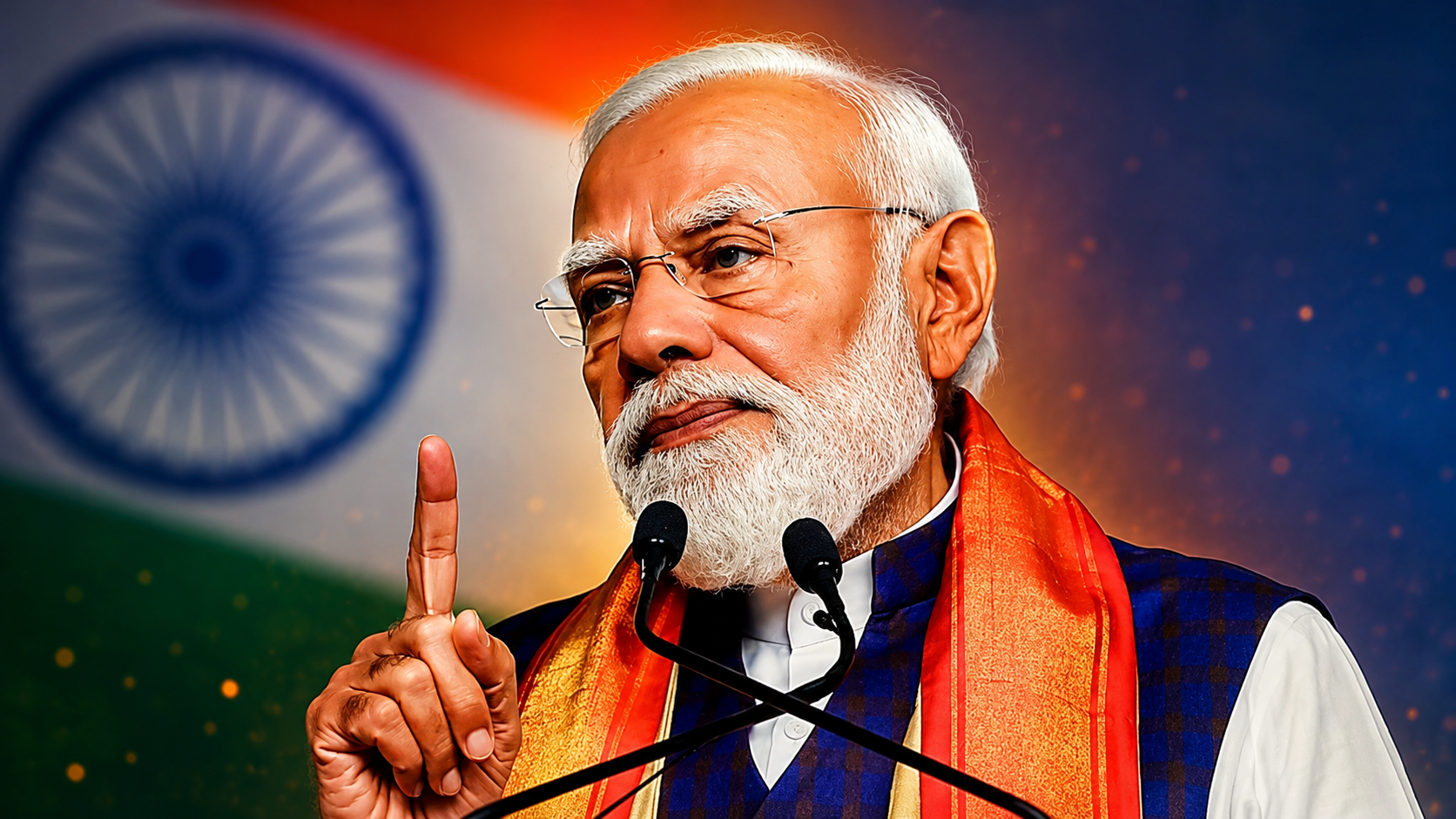
Prime Minister Narendra Modi Set to Create History on June 10, 2026
New Delhi, June 4, 2026: India could witness a historic political milestone on June 10, 2026, as Prime Minister Narendra Modi is expected to surpass a long-standing record for the longest continuous tenure as an elected Prime Minister. According to reports, this achievement would place him ahead of India’s first Prime Minister, Jawaharlal Nehru, in terms of uninterrupted service after being elected in successive general elections.
A Significant Moment in Indian Politics
Narendra Modi first assumed office as Prime Minister in May 2014 following a decisive victory for the Bharatiya Janata Party (BJP). He was re-elected in 2019 and again in 2024, becoming one of the few leaders in Indian history to secure three consecutive mandates from the electorate.
If he continues in office through June 10, 2026, Modi will achieve a landmark that highlights both his political longevity and the continued support his party has received from voters over the past decade.
Comparing Modi and Nehru
Jawaharlal Nehru served as India’s first Prime Minister from 1947 until his death in 1964 and played a central role in shaping modern India. His tenure has long been considered one of the most influential periods in the country’s political history.
While the political and economic circumstances of Nehru’s era were vastly different from those of today, comparisons between the two leaders are inevitable due to the significance of their respective tenures. Modi’s potential record reflects the changing dynamics of Indian politics and the evolution of voter preferences in the world’s largest democracy.
Key Achievements During Modi’s Tenure
Over the last twelve years, the Modi government has introduced several flagship initiatives aimed at economic growth, infrastructure development, digital transformation, and social welfare. Major programs such as Digital India, Make in India, Startup India, PM Awas Yojana, and Ujjwala Yojana have been among the government’s most notable projects.
India has also expanded its global influence during Modi’s leadership. The country has strengthened ties with major economies, increased foreign investment opportunities, and emerged as a key voice in international forums. Hosting major global events and promoting India’s role in global affairs have been important aspects of the government’s agenda.
Political Reactions and Expert Views
Political analysts view this milestone as evidence of Modi’s enduring popularity and his ability to connect with a broad section of Indian voters. Supporters argue that his leadership has provided political stability and a clear development-focused agenda.
Critics, however, continue to raise concerns regarding issues such as unemployment, inflation, and social challenges. They emphasize that while records are noteworthy, long-term success should ultimately be measured by the impact of policies on citizens’ lives.
Despite differing opinions, most observers agree that Modi’s potential achievement represents an important chapter in India’s democratic journey.
Global Recognition of India’s Growth
India’s economic and diplomatic standing has grown significantly during Modi’s tenure. The country has become one of the fastest-growing major economies and a crucial player in discussions related to technology, trade, climate policy, and global security.
International leaders and organizations increasingly view India as a strategic partner, reflecting the country’s growing influence on the world stage.
Looking Ahead to June 10
As June 10 approaches, attention is focused on what could become a defining moment in Indian political history. The milestone is expected to generate discussions among political leaders, analysts, and citizens about leadership, governance, and the future direction of the country.
Conclusion: Prime Minister Narendra Modi’s expected record-breaking tenure is more than a personal achievement. It reflects a period of political continuity, electoral success, and significant transformation in India. Whether viewed through a political, historical, or governance lens, June 10, 2026, is likely to be remembered as an important date in India’s democratic history.